
North Star Cleaning & Restoration Inc.
Saskatoon Homeowners: Water Damage Risks Hiding in Plain Sight
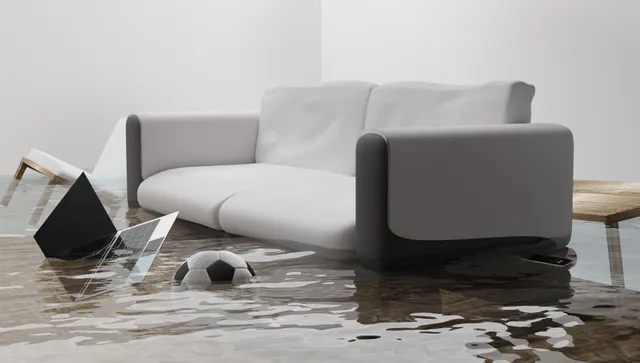
Water damage in Saskatoon is often hiding in plain sight. Melting roof snow, runoff beside your foundation, or a slow plumbing leak can cause serious damage before you realize there is a problem.
You can lower your risk by checking vulnerable areas, improving drainage, and responding as soon as moisture appears. North Star Cleaning & Restoration Inc. provides 24-hour emergency water damage restoration in Saskatoon, including inspection, water extraction, structural drying, microbial treatment when required, and restoration of affected areas.
Why Saskatoon Homes Face Water Damage in Every Season
Saskatoon homes face different water risks throughout the year.
Winter temperature swings can create ice dams, while spring snowmelt, summer downpours, sewer backups, and indoor plumbing failures can affect basements, walls, ceilings, and flooring.
| Season or Source | Common Risk | Areas to Inspect |
|---|---|---|
| Winter | Ice dams, frozen pipes, and roof leaks | Attic, ceilings, eaves, and exterior walls |
| Spring thaw | Foundation seepage and window-well leaks | Basement walls, floors, and window wells |
| Heavy rainfall | Surface flooding and sewer backup | Floor drains, sump pit, and low areas of the yard |
| Year-round | Plumbing and appliance leaks | Bathrooms, kitchens, utility rooms, and ceilings |
Water damage does not always begin with a flooded room.
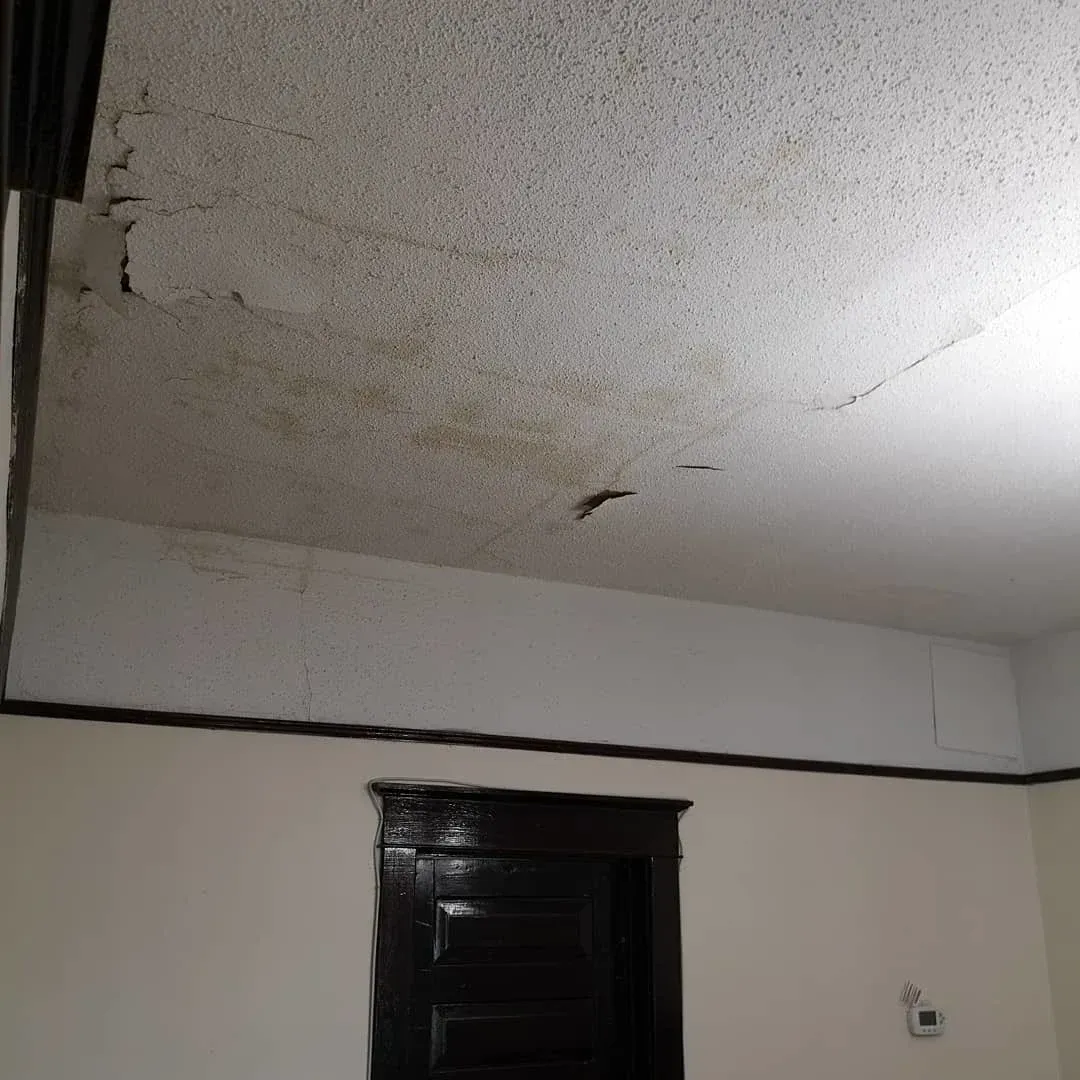
Stains, damp odours, warped materials, and peeling paint may be the first warnings. Our guide to the early signs of water damage in your Saskatoon home explains what these changes may mean.
Ice Dams Can Push Water Beneath Your Shingles
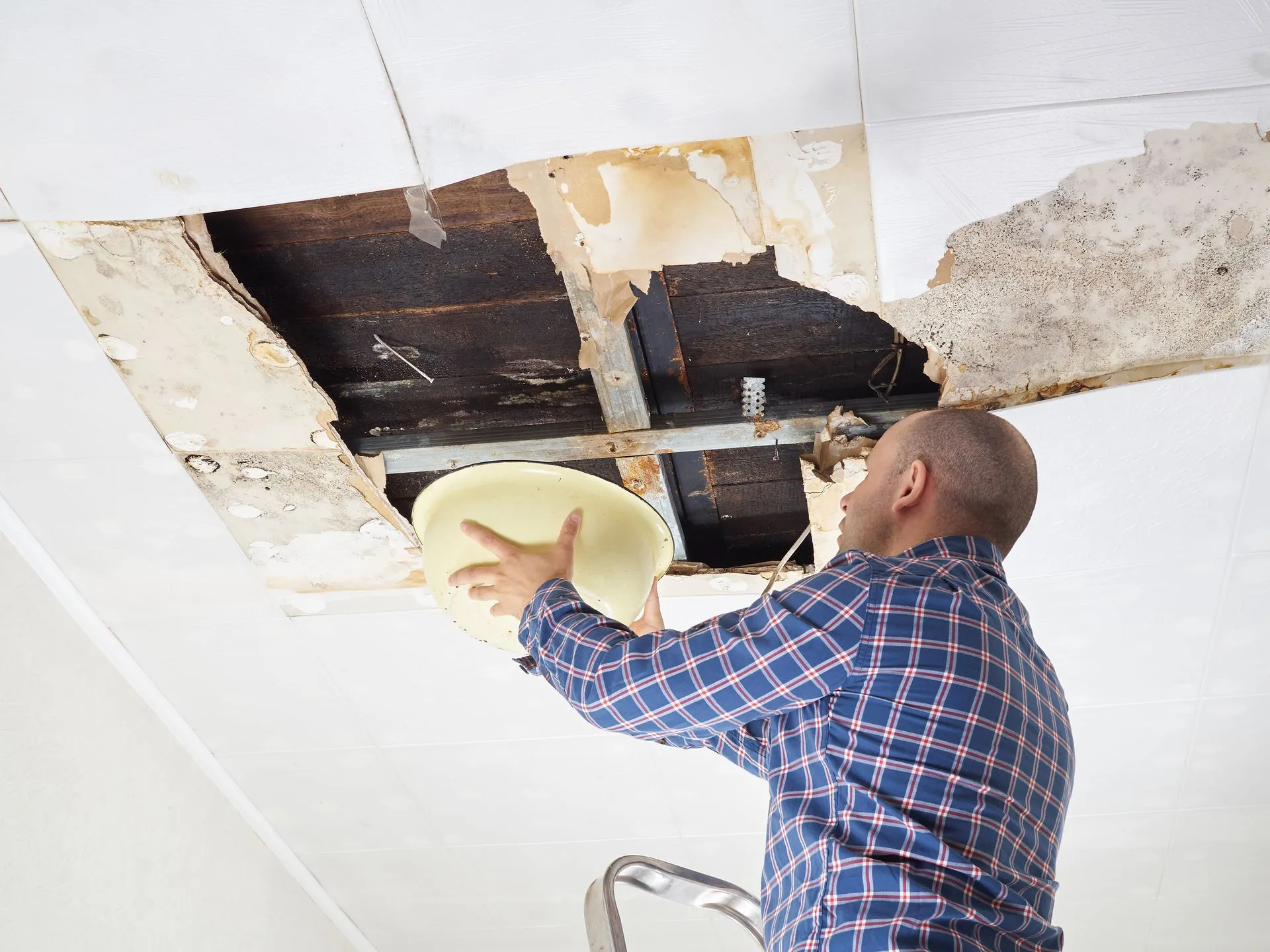
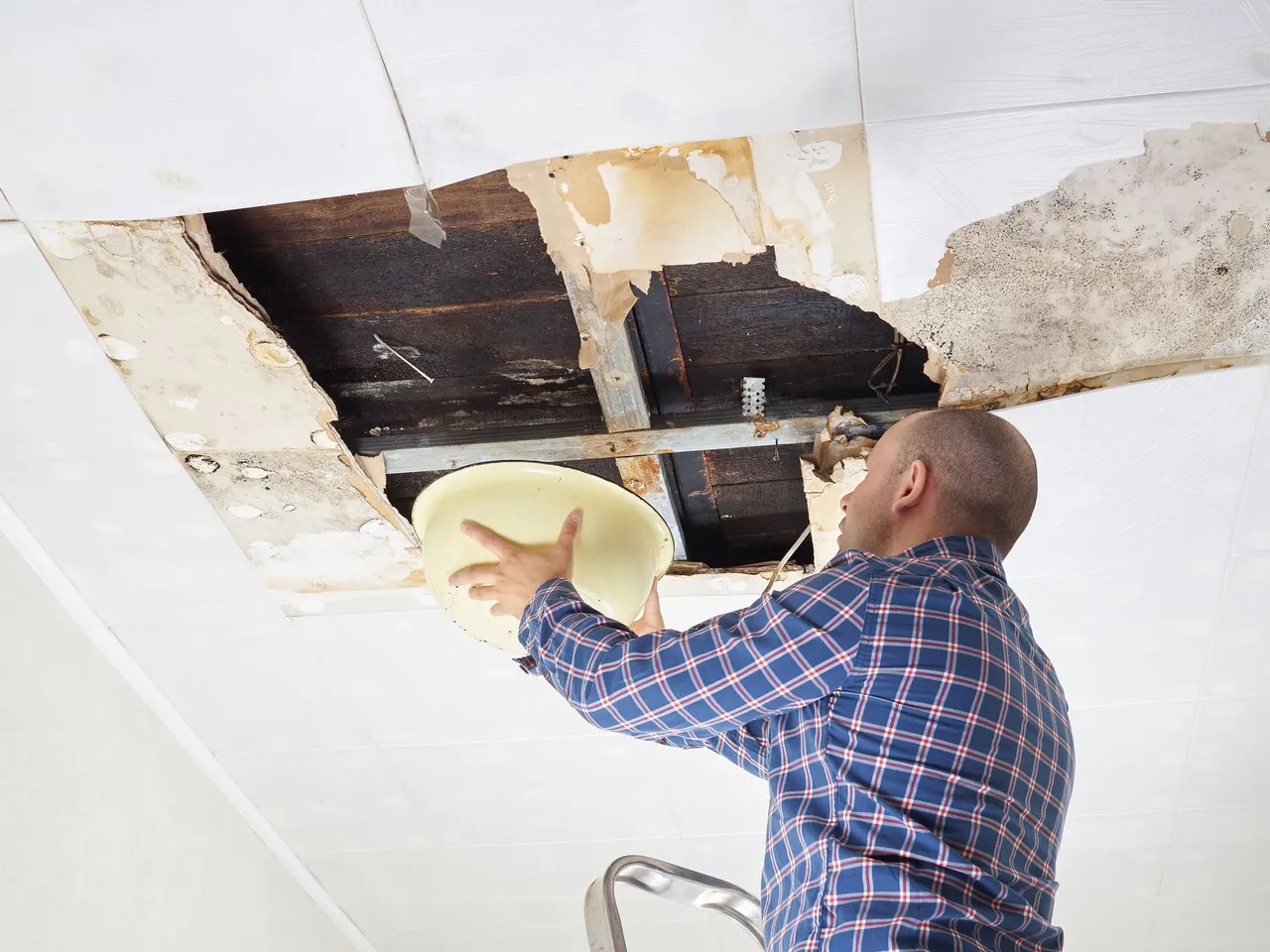
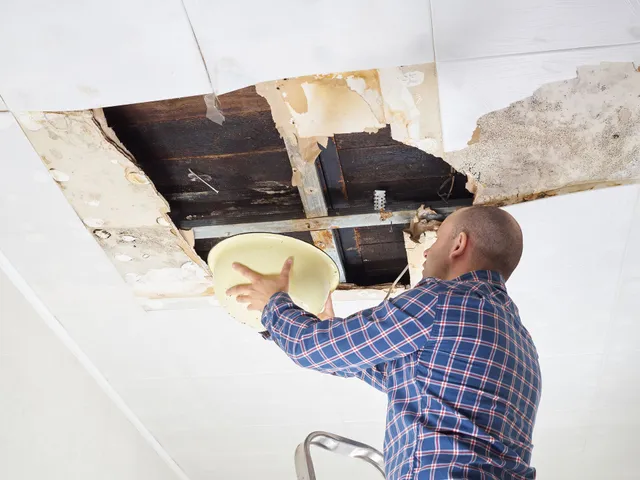
Ice dams form when heat from your home warms the roof and melts the snow above it. The meltwater runs toward the colder eaves, freezes into a ridge, and traps more water behind it. With nowhere else to go, that water can move backward beneath the shingles and enter your attic, insulation, walls, or ceilings.
Watch for:
- Thick ice or large icicles along the eaves
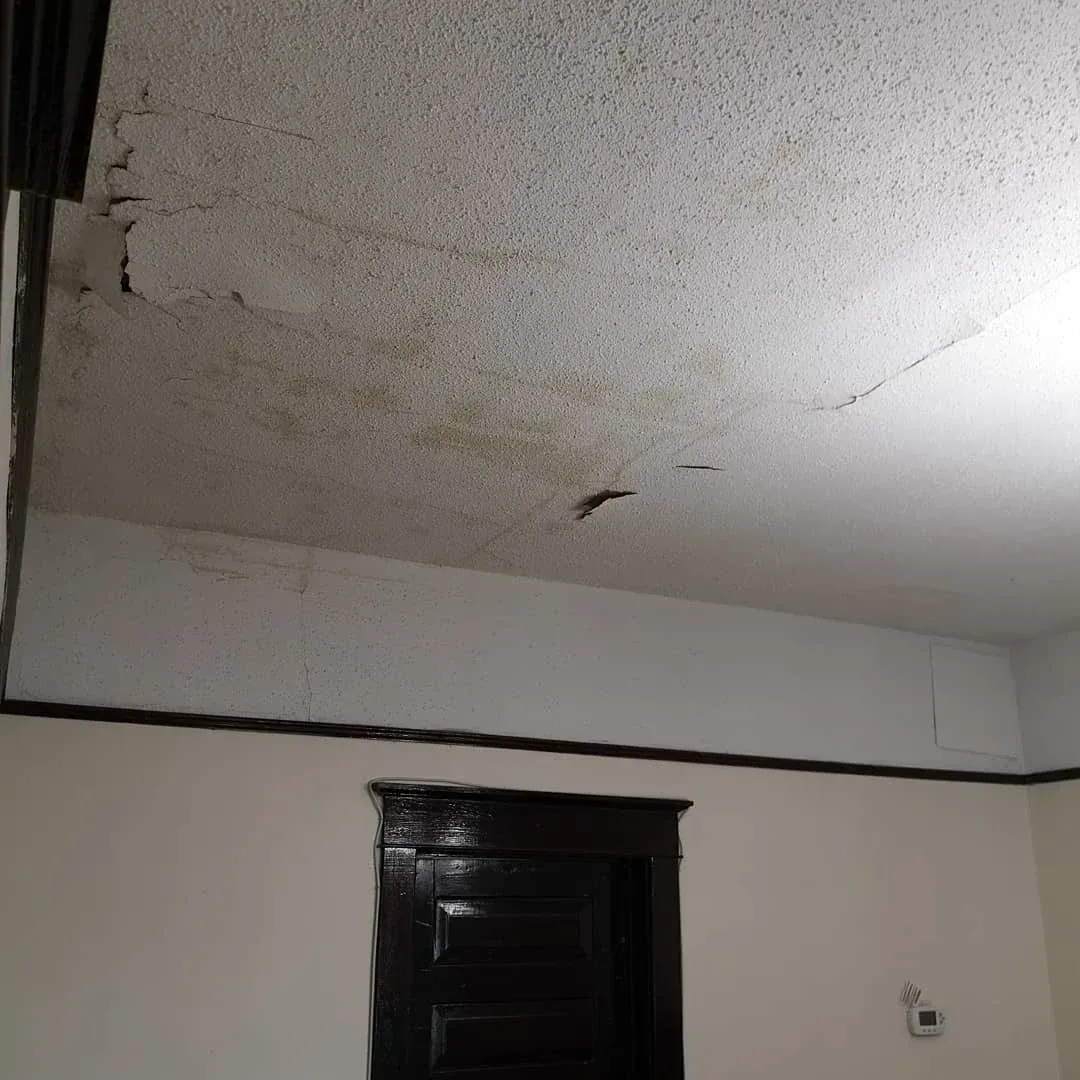
- Water stains near exterior ceilings or walls
- Damp insulation or frost inside the attic
- Bubbling paint or soft drywall
- A musty odour upstairs
Natural Resources Canada identifies attic air sealing and thorough insulation as the primary ways to reduce ice dams. Existing attic ventilation should also be checked to ensure it is appropriate for the roof design and is not blocked.
A roof rake may help remove snow from the edge while you stay safely on the ground. Do not climb onto an icy roof or break an ice dam with sharp tools; you could damage the shingles or injure yourself.
Spring Thaw Can Send Water Toward Your Basement
Spring snowmelt becomes a basement risk when water collects beside your foundation instead of draining toward the street or back lane. Poor grading, blocked eavestroughs, short downspouts, full window wells, and a failed sump pump can all give water an easier path inside.
The City of Saskatoon recommends practical steps such as:
- Extending downspouts at least two metres from basement walls
- Sloping the soil away from the foundation
- Keeping eavestroughs and downspouts clear
- Removing snow from around the foundation and window wells
- Testing the sump pump before the thaw
- Checking that backwater valves work properly
- Sealing openings around basement windows, doors, and utility lines
Before the spring thaw arrives,
look for low areas where water may collect. During rapid melting, check
basement corners, floor drains, utility openings, and the sump pit—even if your basement has never flooded.
Heavy Rain and Sewer Backups Require Different Protection
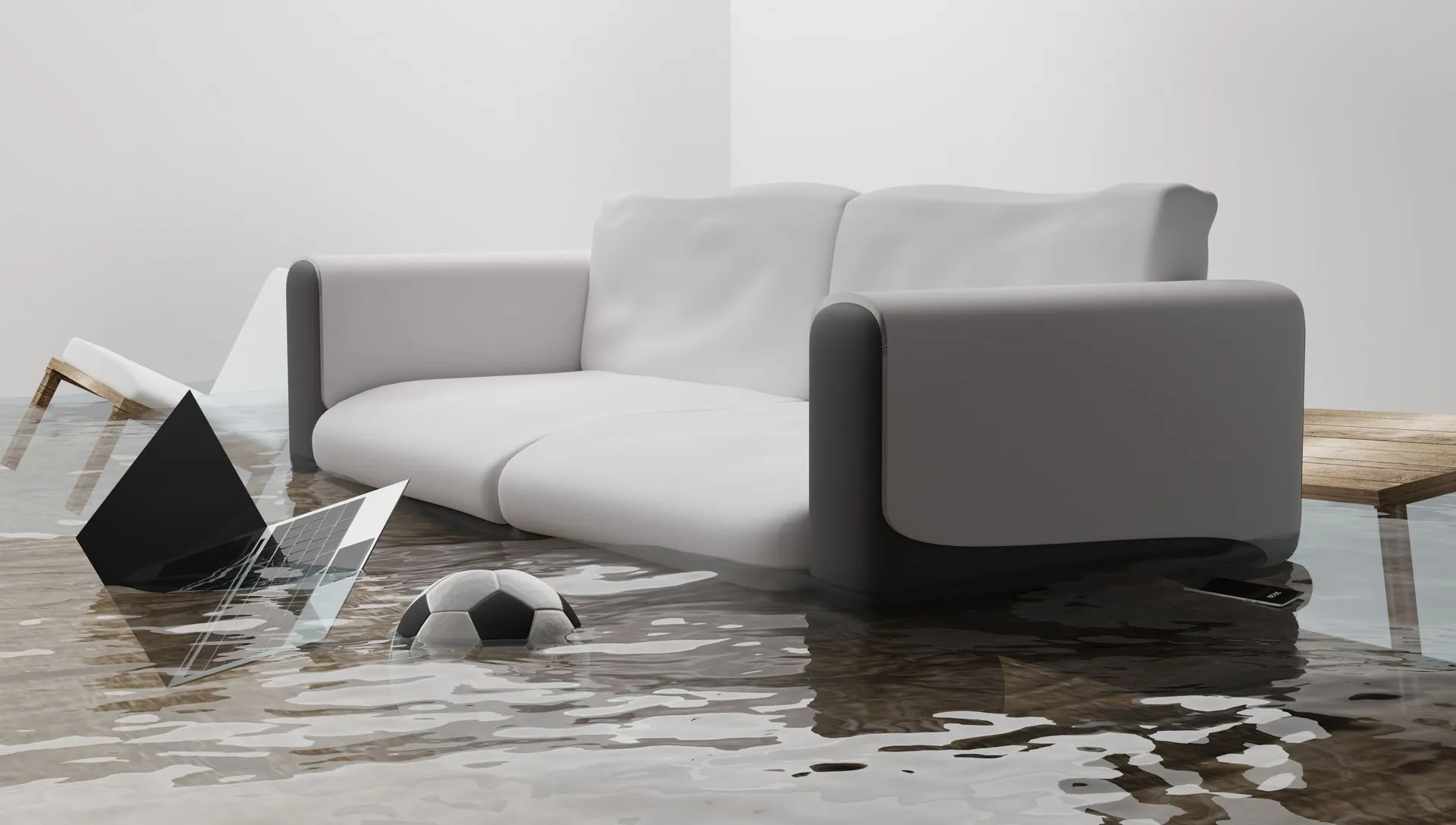
Surface flooding and sewer backups enter differently and require different protection. Surface water may enter through foundation openings, while sewage can rise through floor drains, toilets, or connected plumbing.
To reduce your risk:
- Direct yard runoff away from your home.
- Maintain your sump pump and consider a battery backup.
- Have a plumber inspect your backwater valve.
- Keep valuables and documents off the basement floor.
- Use sealed plastic bins instead of cardboard boxes.
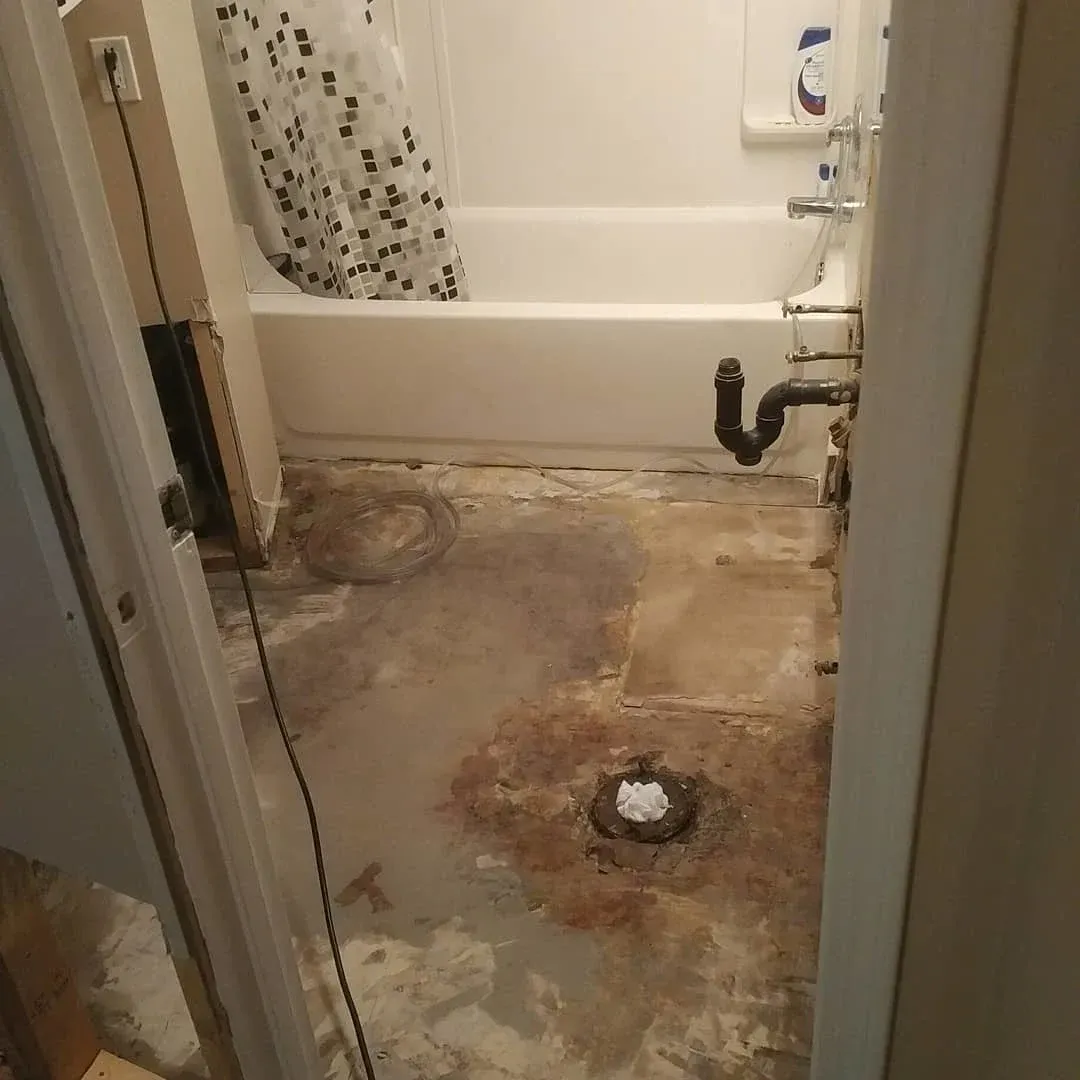
Never assume that standing basement water is clean. If it may contain sewage, avoid direct contact, keep children and pets away, and call a restoration professional.
Slow Plumbing Leaks Can Cause Hidden Damage
A small leak can damage drywall, flooring, cabinets, and framing before you see standing water. Check under sinks, around toilets, behind appliances, and near your water heater.
Look for:
- An unexplained increase in your water bill
- Soft, swollen, or stained baseboards
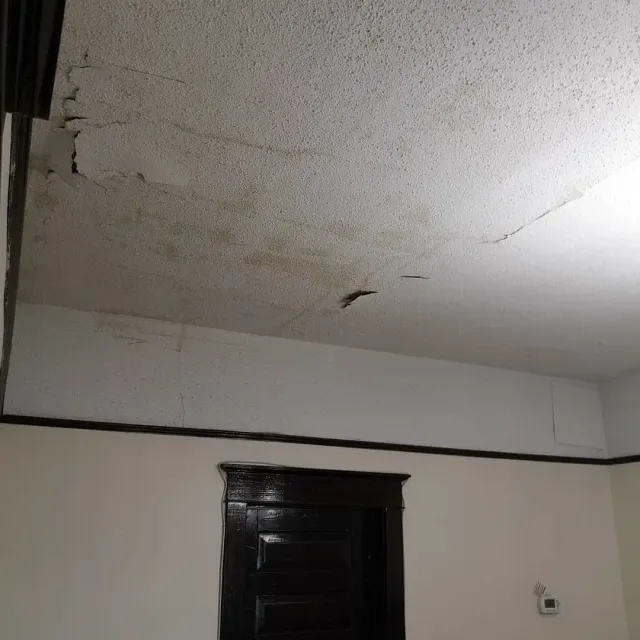
- Brown or yellow ceiling marks
- Flooring that cups, lifts, or feels spongy
- Moisture beneath sinks or around toilets
- A musty smell that returns after cleaning
Do not simply paint over a stain. Find and repair the moisture source, then confirm that the surrounding materials are completely dry.
What to Do in the First Hour After Water Enters
Your first priorities are safety, stopping the source, documenting the loss, and beginning proper drying. Fast action can limit moisture spread and secondary damage.
- Protect yourself. Do not enter standing water if electricity may be involved.
- Stop the source if it is safe. Shut off the fixture or main water supply for an indoor leak.
- Document the damage. Photograph the source, affected rooms, water lines, and belongings.
- Contact your insurer. Ask what documentation and emergency work your policy requires.
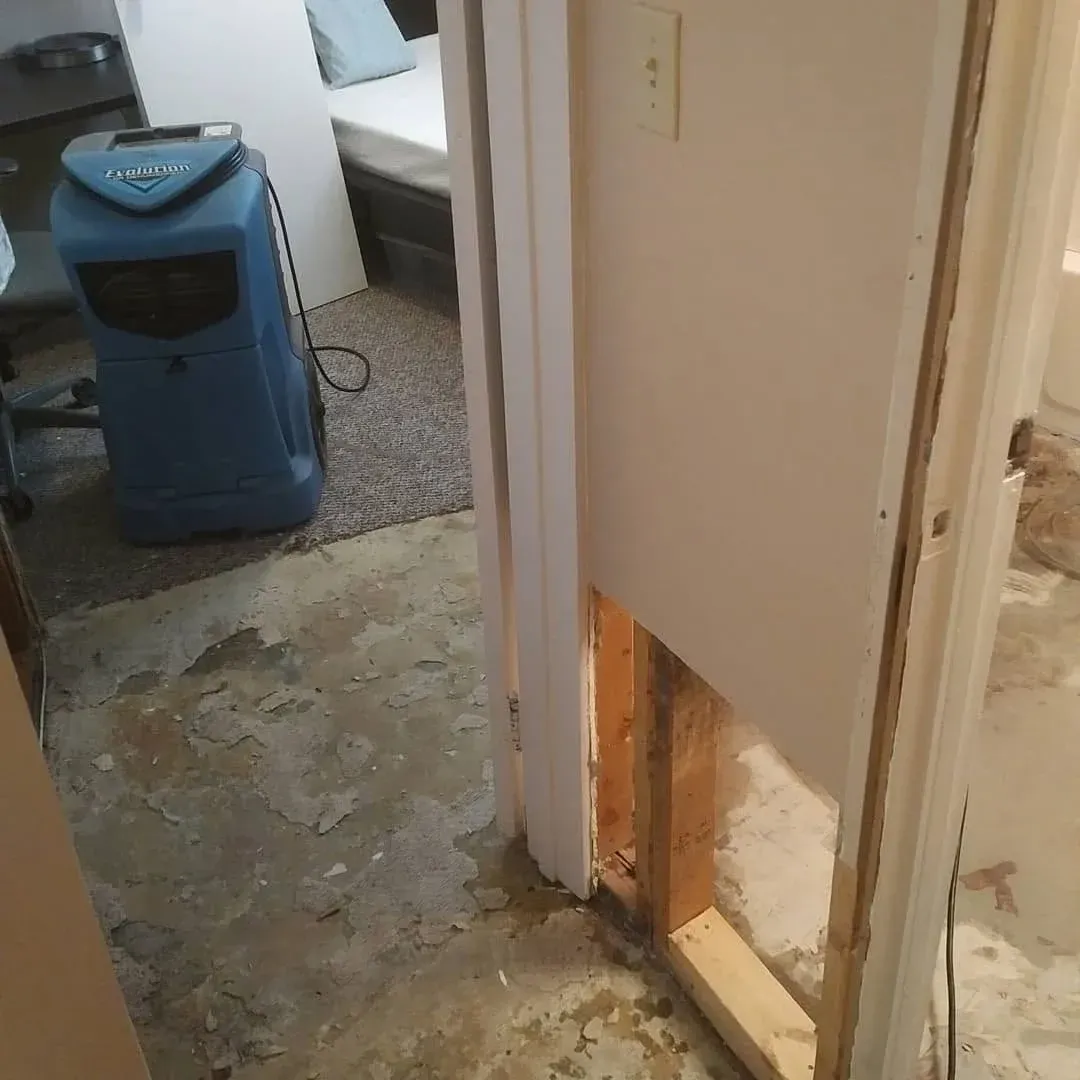
- Call a restoration company. Professional equipment can find and dry moisture that household cleanup misses.
- Move dry belongings. Relocate them only when you can do so safely.
Read what to do when a water damage emergency strikes for a more detailed response checklist.
Why Drying Within 48 Hours Matters
Wet materials need to be dried quickly because mould can begin growing in an area with excessive moisture within 48 hours. Health Canada recommends prompt action after leaks or flooding and advises removing materials that cannot be cleaned and dried properly.
Whether an item can be saved depends on the water source, contamination, exposure time, material type, and whether it can be cleaned and dried completely.
Professional restoration may involve
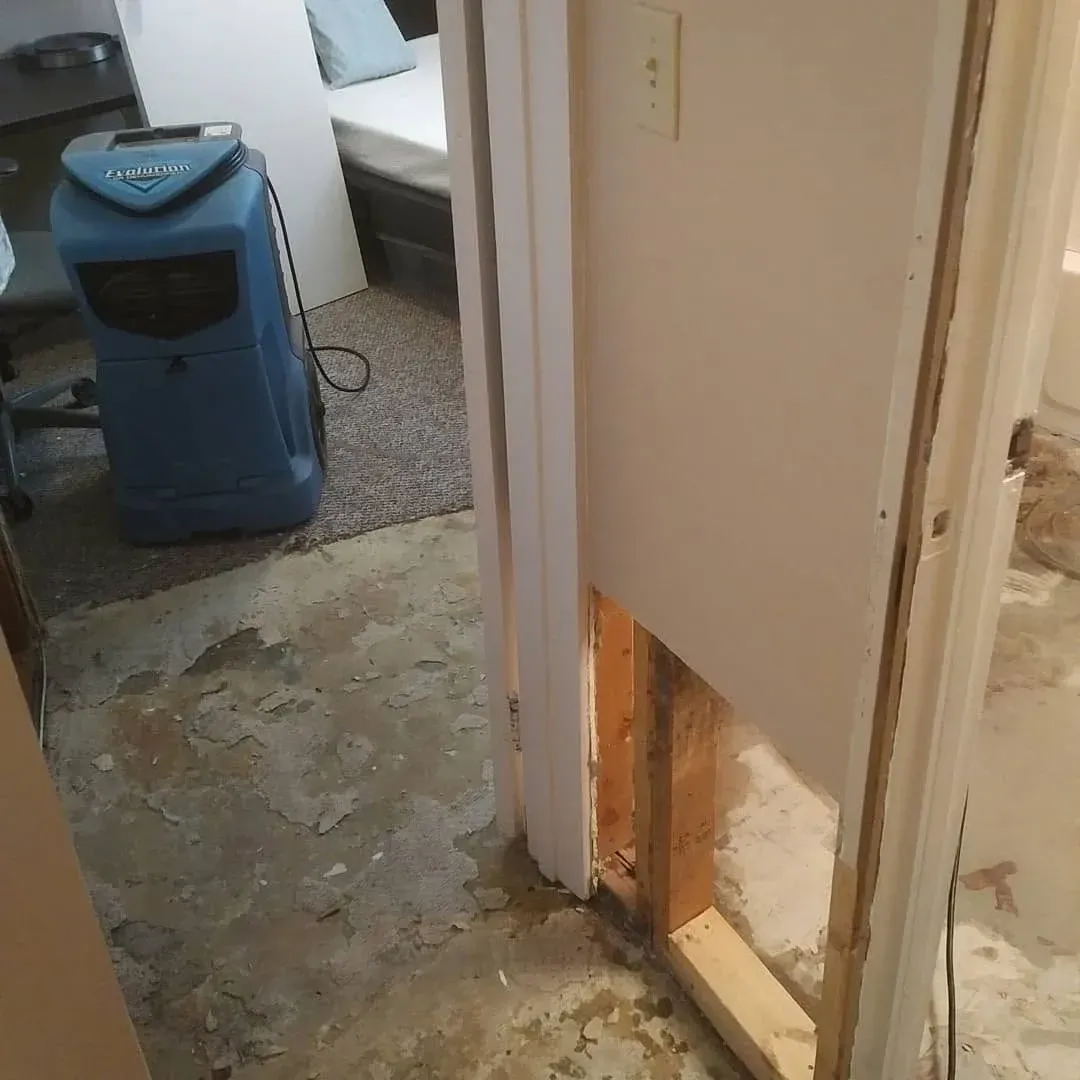
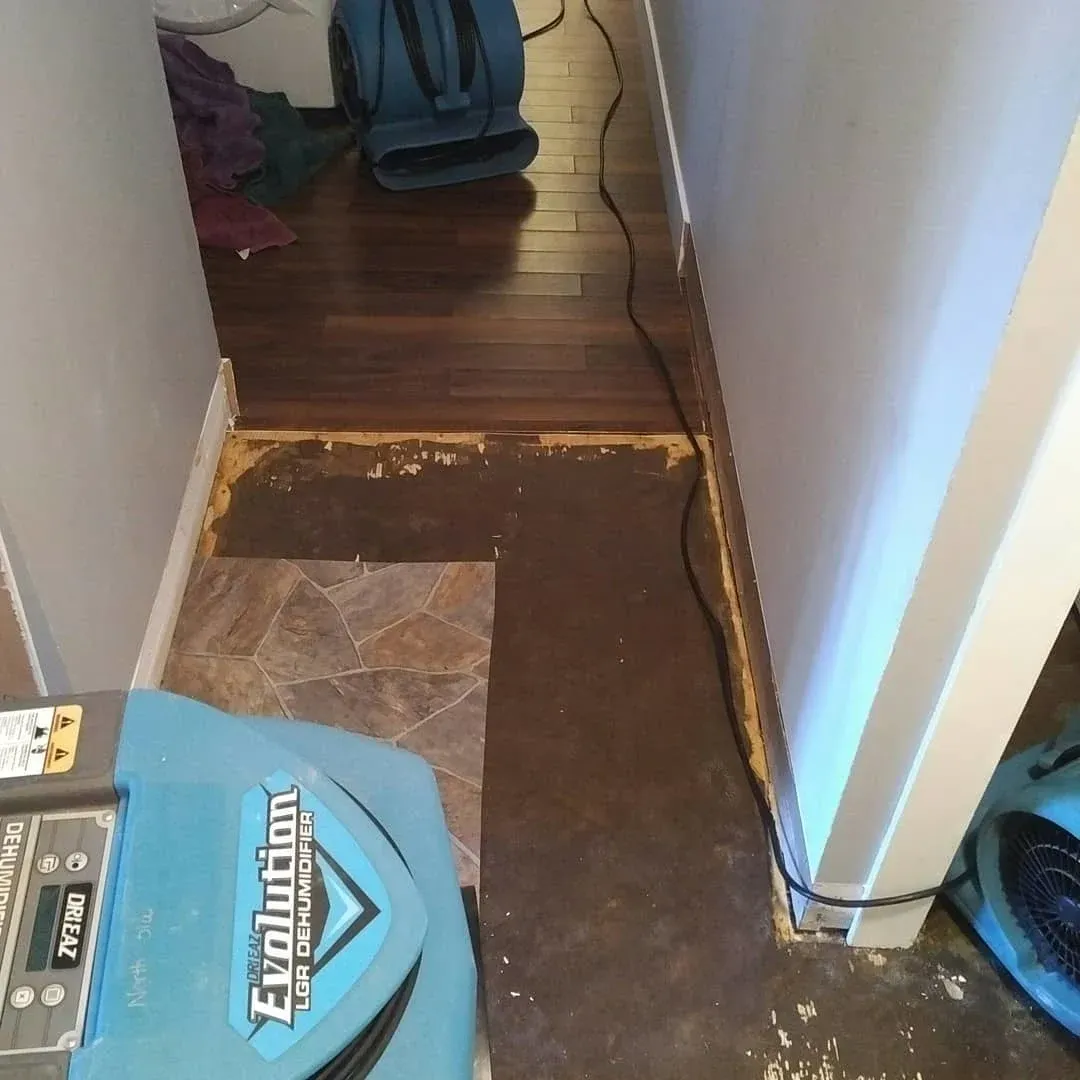
extraction, moisture mapping, dehumidification, removal of unsalvageable materials, and repeated moisture checks. A dry surface does not prove that wall cavities, underlay, insulation, or subfloors are dry.
Review Your Insurance Before the Spring Thaw Arrives
Water damage coverage depends on the source of the water and the specific terms of your policy. Do not assume every basement flood, plumbing leak, or roof leak will be treated the same way.
| Water Source | How Coverage May Be Treated |
|---|---|
| Sudden indoor plumbing or appliance leak | Often covered, subject to policy terms and exclusions |
| Sewer backup | Usually requires optional sewer-backup coverage |
| Heavy rain, spring runoff, or overflowing freshwater entering from outside | May require optional overland-water coverage |
| Repeated seepage, wear, or unresolved maintenance problems | May be limited or excluded |
The Insurance Bureau of Canada advises homeowners to speak with an insurance representative about the details of their coverage. Before the spring thaw arrives, review your deductible, limits, exclusions, sewer-backup endorsement, and overland-water protection.
Keep a current photo inventory and store insurance documents where you can access them if the basement is affected.
Does Your Home Need Cleaning or Restoration?
Cleaning treats dry, stable surfaces, while restoration addresses active moisture, contamination, and damaged building materials. Water extraction and structural drying must come before cosmetic cleaning.
| Situation | Recommended Next Step |
|---|---|
| Dry carpet with ordinary dirt, road salt, or stains | Professional carpet cleaning |
| Carpet wet from a recent clean-water leak | Moisture assessment and drying first |
| Carpet or underlay affected by sewage | Professional restoration assessment |
| Musty odour that returns after cleaning | Inspection for hidden moisture |
| Wet insulation, swollen drywall, or damaged baseboards | Structural drying and possible material removal |
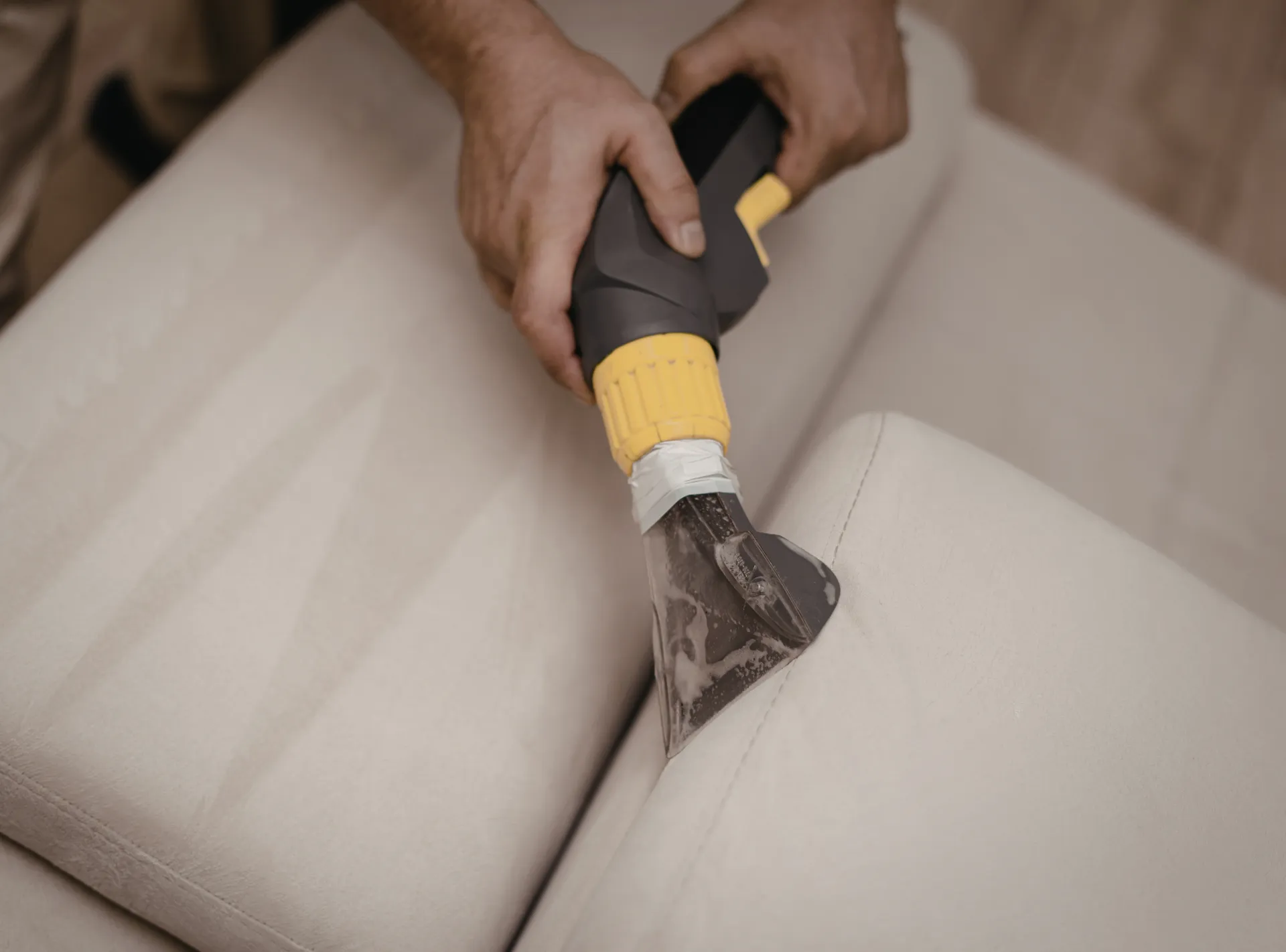
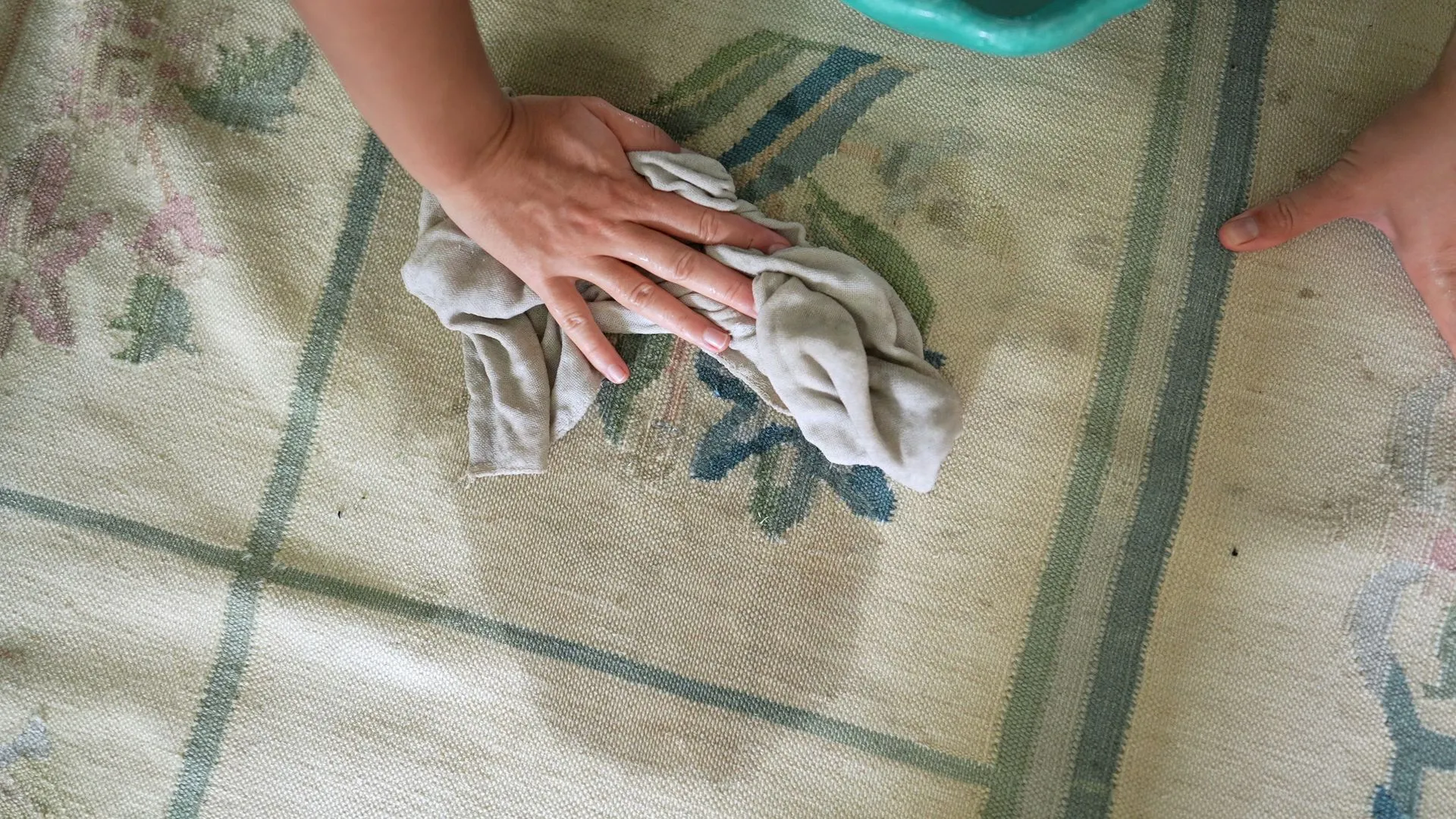
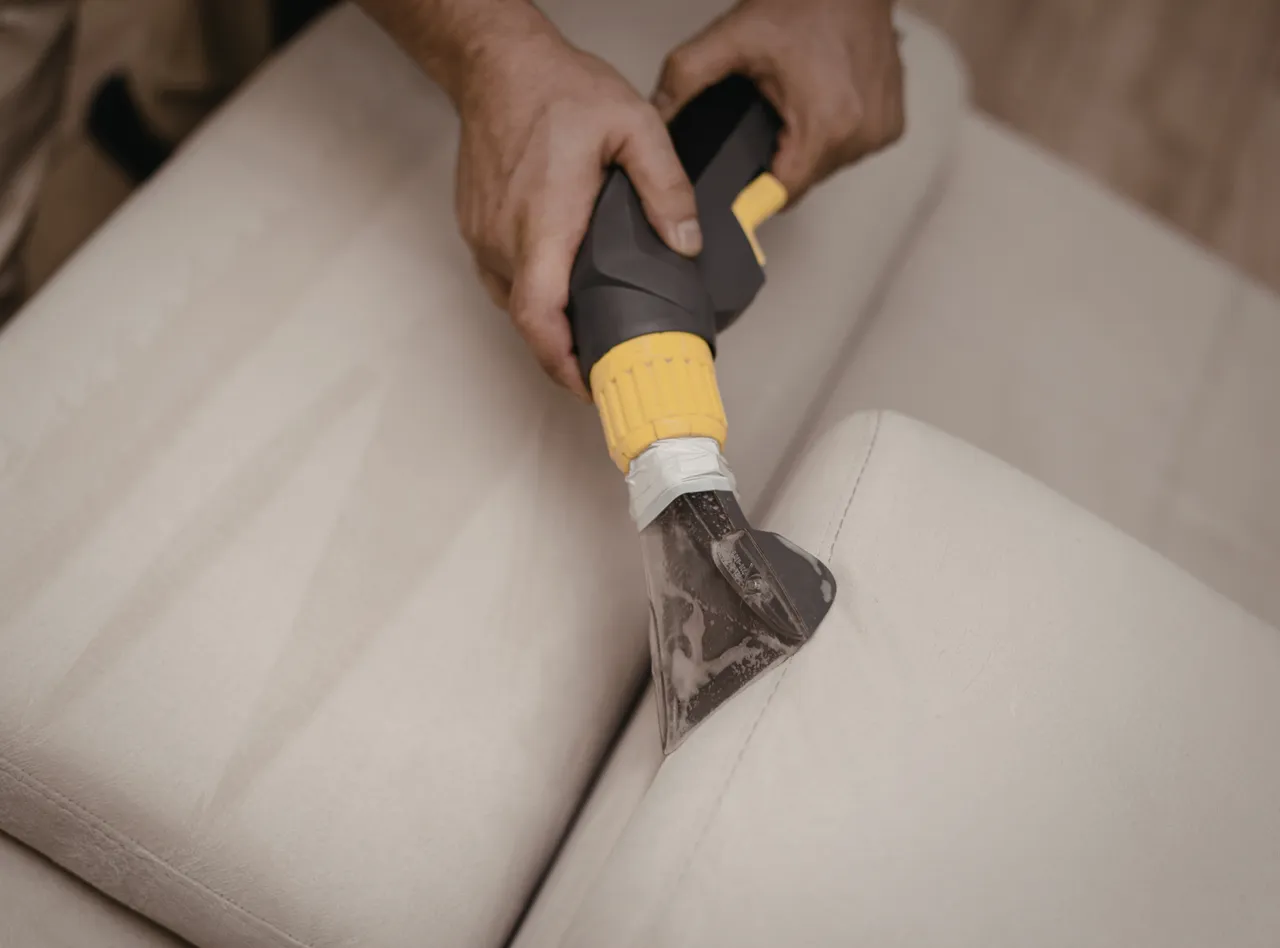
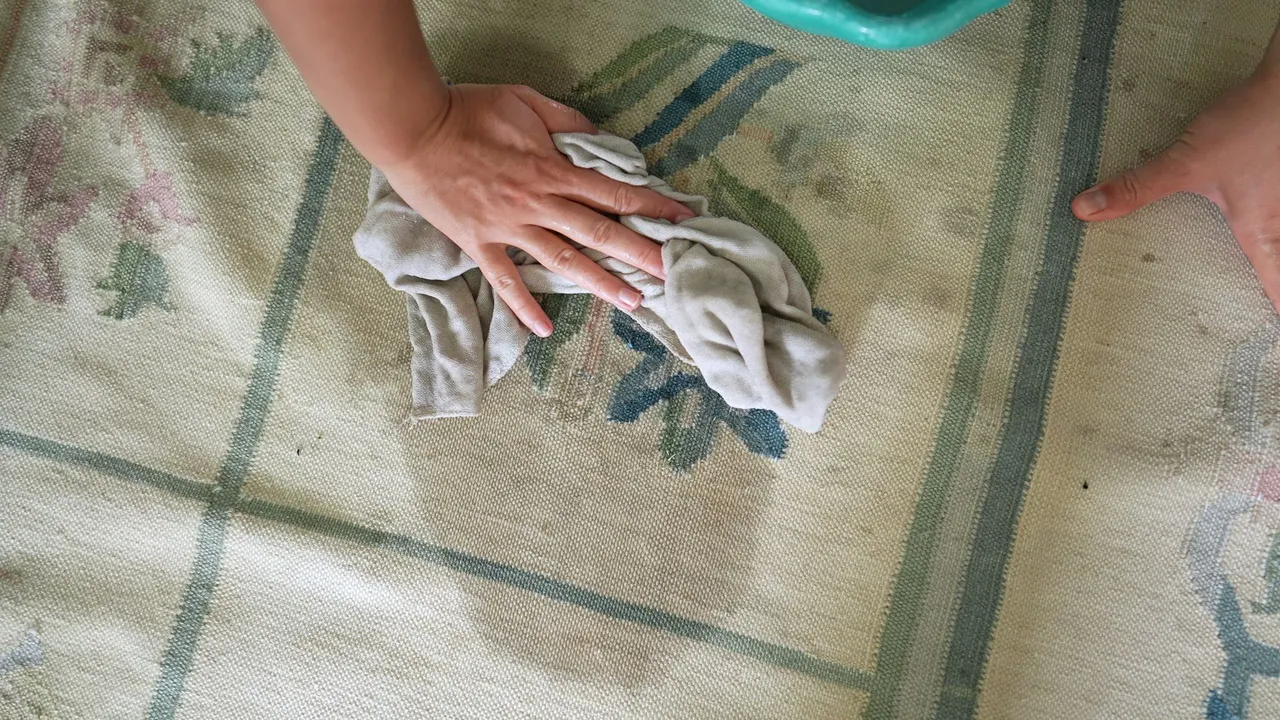
Learn how cleaning and restoration can revive a damaged home. Once a clean-water incident has been assessed, the source has been corrected, and the area is fully dry, professional carpet cleaning in Saskatoon may help remove remaining soil, residue, or odour from salvageable carpet.
FAQs About Water Damage Risks
How quickly can mould grow after water damage?
Mould can begin growing in an excessively damp area within 48 hours. Start drying immediately and arrange a professional assessment when water has entered drywall, insulation, carpet underlay, subflooring, or wall cavities.
What causes ice dams on Saskatoon roofs?
Ice dams develop when heat escaping from your home warms the roof and melts the snow. The meltwater refreezes at the colder eaves, creating a ridge that can force additional water under the shingles.
Is basement flooding covered by standard home insurance?
Not always. Sudden plumbing leaks, sewer backups, overland flooding, groundwater, and repeated seepage may all be treated differently. Confirm your coverage, limits, deductibles, and exclusions with your insurance representative.
Can carpet be saved after a basement leak?
Sometimes. It depends on the water source, contamination level, length of exposure, and whether the carpet and underlay can be cleaned and dried completely. Carpet affected by sewage or long-term moisture may need to be removed.
What should I do first after a basement flood?
Stay out if electricity or sewage may be involved. Stop the source only if it is safe, document the damage, call your insurer, and arrange professional extraction and drying as quickly as possible.
When to Call a Water Damage Restoration Professional
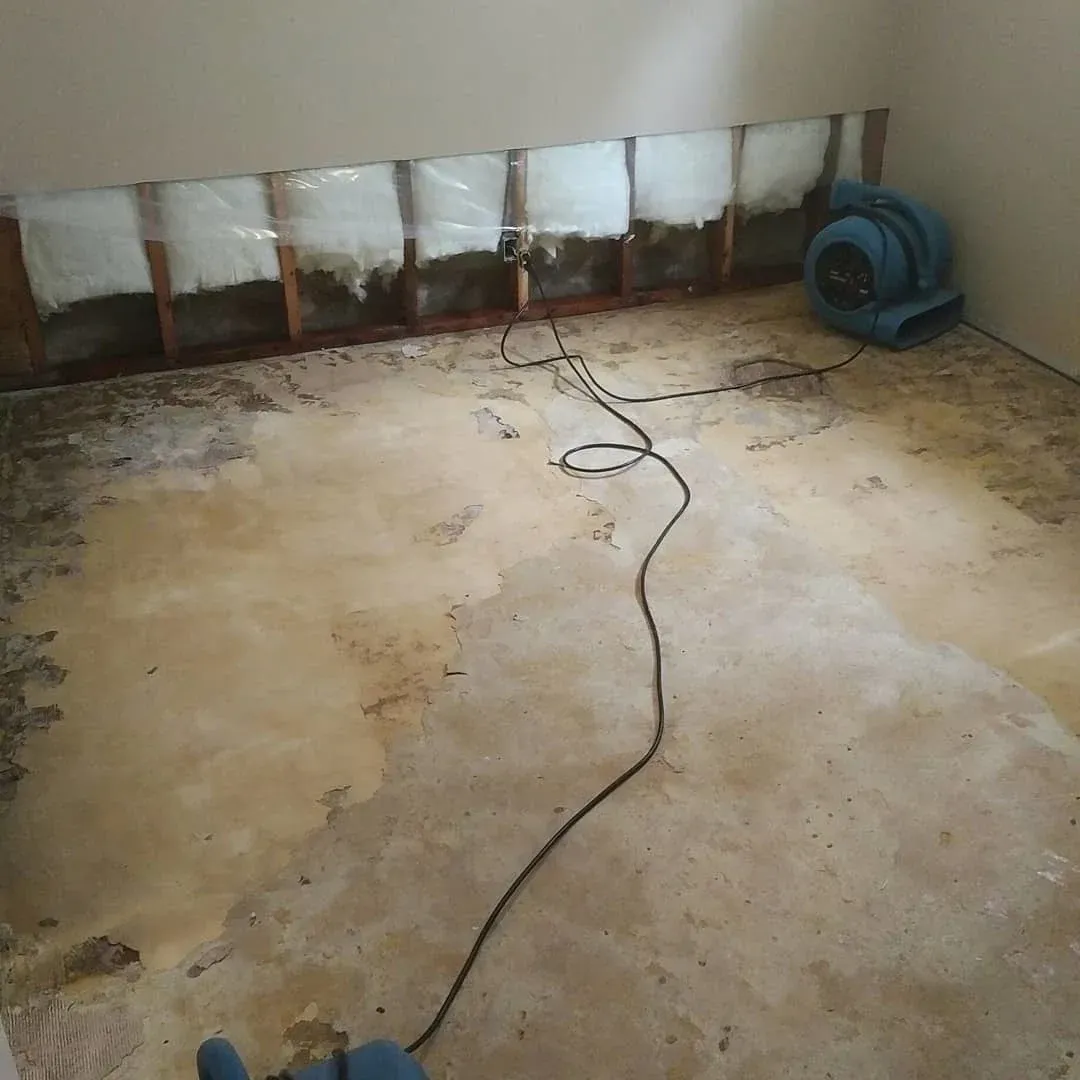
Call a professional when water has entered walls, flooring, insulation, or electrical areas; when sewage may be present; or when a damp odour remains after surface cleanup. These signs may indicate hidden moisture.
North Star Cleaning & Restoration Inc. is a local, family-run company offering 24-hour emergency service in Saskatoon and the surrounding area. The team helps homeowners and businesses with inspection, extraction, structural drying, cleanup, and restoration.
For 24-hour water damage restoration in Saskatoon, call
North Star Cleaning & Restoration Inc. at
(306) 374-STAR (7827).
SHARE THIS ARTICLE
RECENT POSTS